Define Deliverables Competitor Analysis Branding Prototype User testing
CHALLENGE
My challenge was to create an experience users could trust today while designing a scalable foundation for future automation.
The client set out to build a digital financial advisor that could compete with established robo-investing platforms. However, automated portfolio management—the feature users expected most—wasn't technically feasible for the initial release.
DISCOVERY
Users didn’t just want investment advice; they expected the platform to act on it.
Understanding What Drives Trust
I examined competing financial products and user expectations. While interfaces varied, successful products consistently shared three characteristics:
Automation (reduced effort)
Empathy (financial uncertainty)
Signals of trust and credibility
CONCEPTING
Crazy 8's
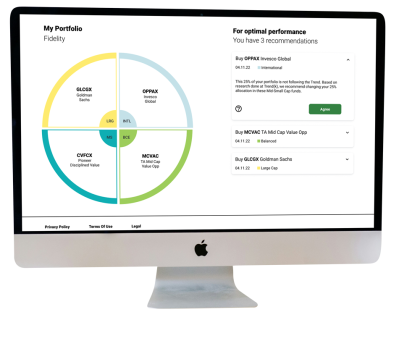
Quickly sketched 8 screens in 8 minutes. Strongest layouts were refined.
TESTING
User Interviews
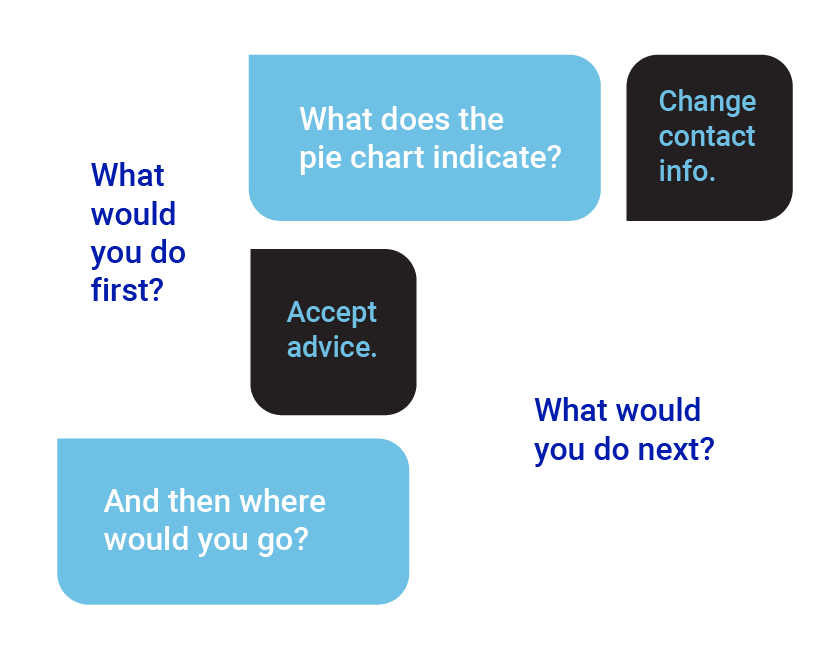
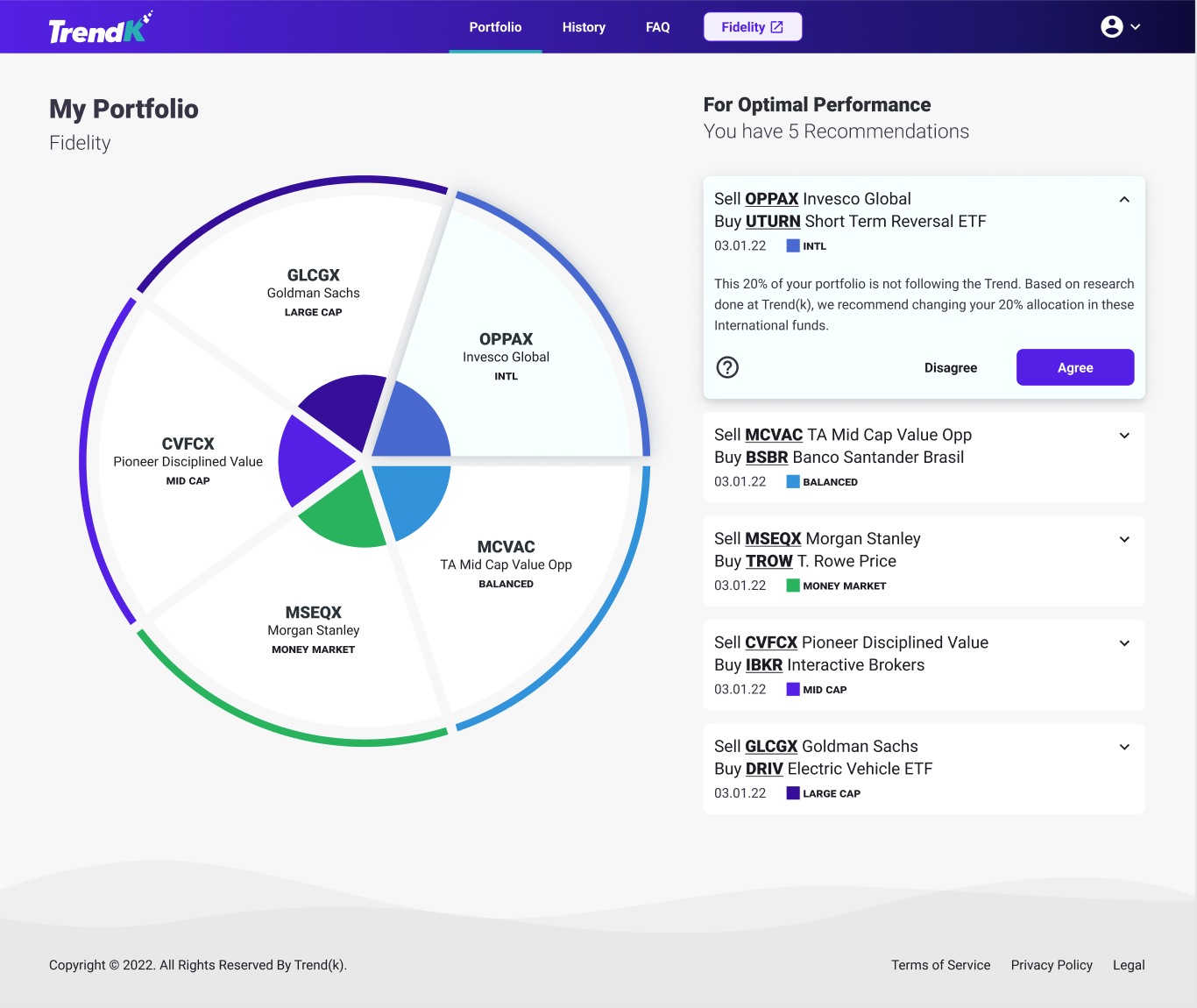
Participants were guided through a series of tasks and questions while navigating an interactive Figma prototype.
BRAND
Creating Confidence Through Brand Design
Research revealed automation wasn't simply a future enhancement—it was a core user expectation. By designing a scalable experience around current technical constraints, the product was positioned to launch successfully today while establishing a foundation for long-term competitiveness tomorrow.
FINDINGS
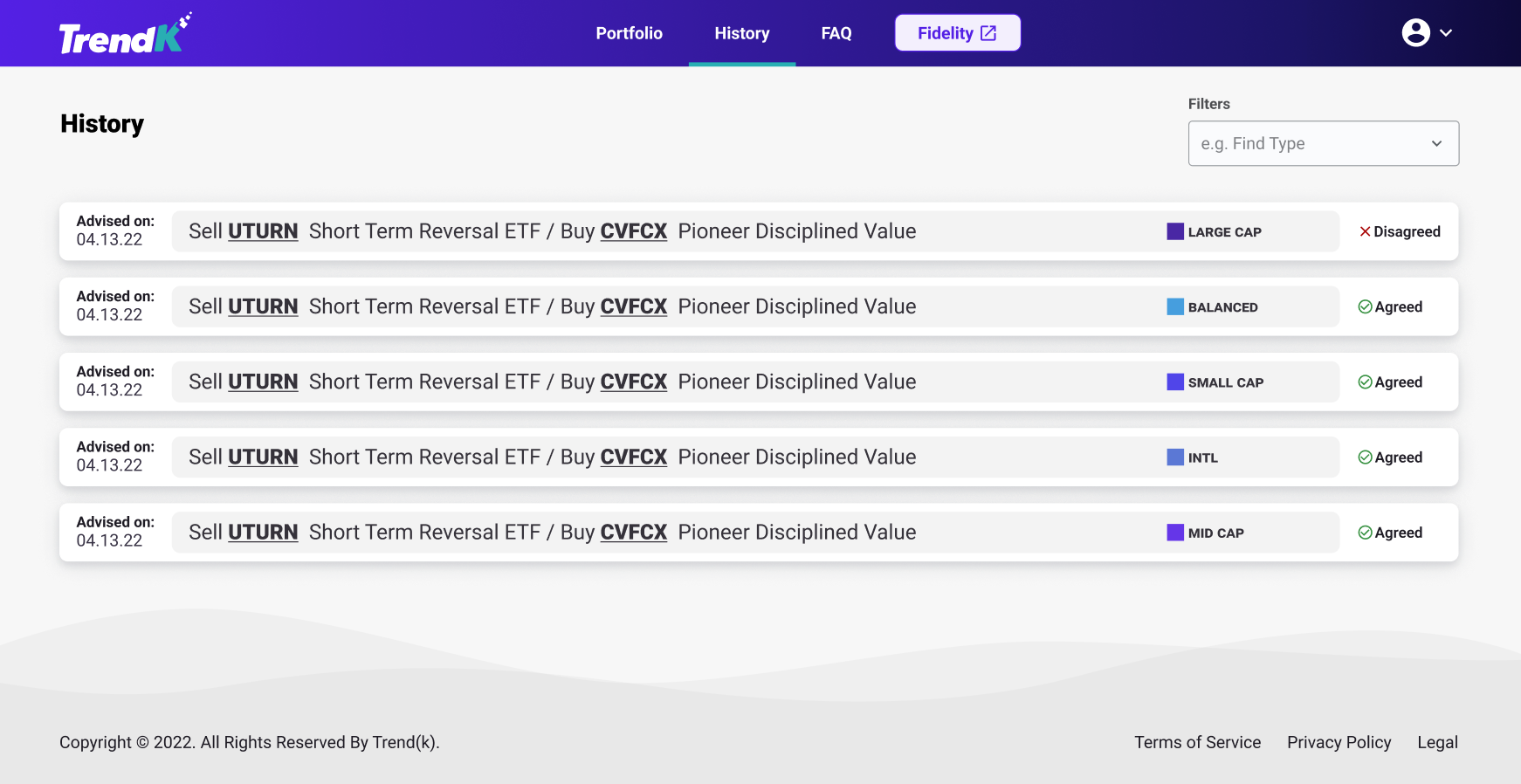
Prototype testing exposed a critical gap between user expectations and product capabilities.
79%
Incorrectly believed interface decisions directly impacted their investments.
61%
Hesitated with the realization they were unable to “refuse” advice.
REVISE PROTOTYPE
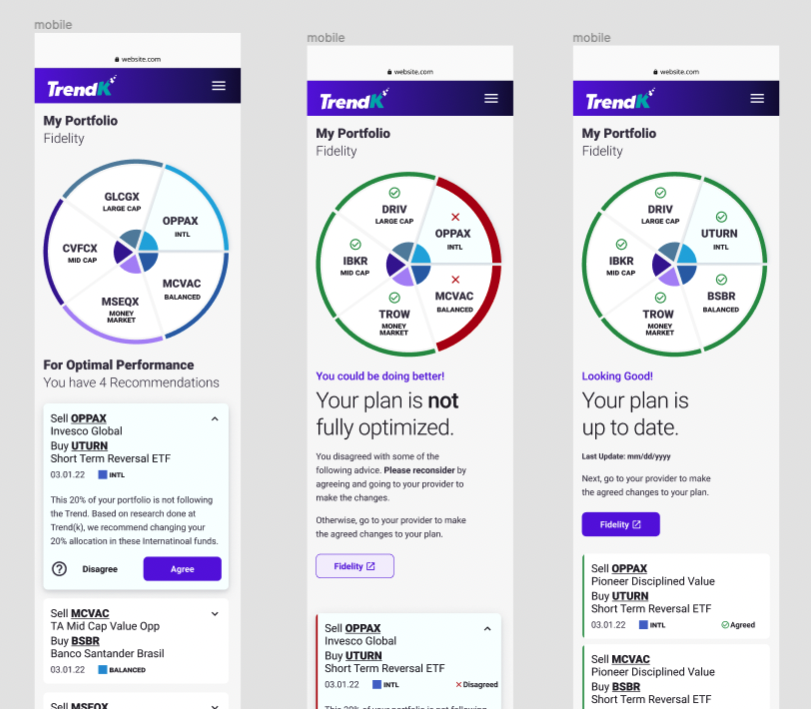
Reducing Confusion and Preserving Credibility
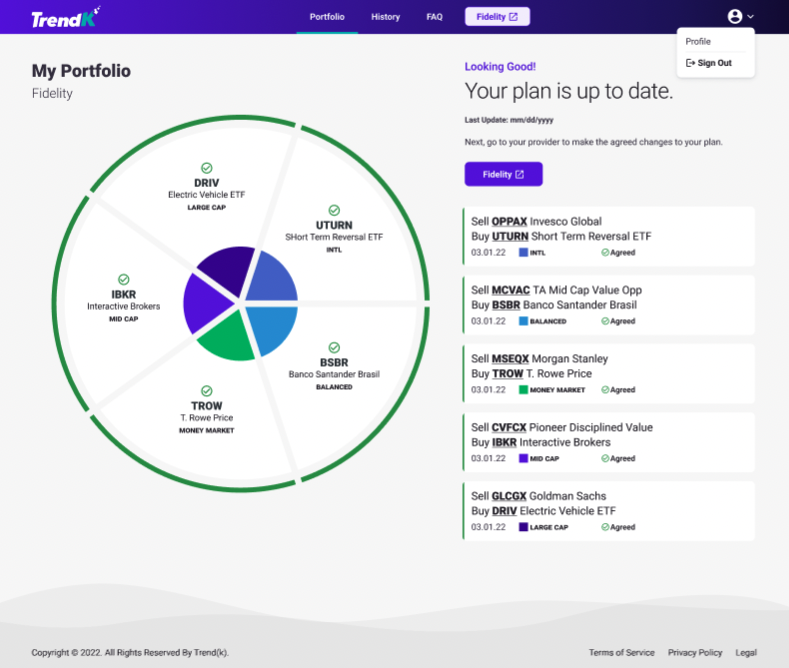
Because automation couldn't be delivered immediately, the strategy focused on building confidence through clarity. Every interaction was designed to establish trust while creating a scalable framework.
CONCLUSION
Future automation was supported without requiring a complete redesign.
Research revealed automation wasn't simply a future enhancement—it was a core user expectation. By designing a scalable experience around current technical constraints, the product was positioned to launch successfully today while establishing a foundation for long-term competitiveness tomorrow.