Create a scalable solution for recommending dynamic content to donors and non-members, ultimately increasing engagement and donations.
Role and Scope
Client: Nonprofit focused on community outreach in Uganda and East Africa. Role: UX Designer Timeframe: 4 weeks Team: UX (1), Dev (1), Client/PO (1)
Challenges
Limited updates reduced user engagement and prevented emotional connections with the cause.
Transitioning the client’s perspective from static to dynamic, personalized content.
Ensuring the member portal is easy to use and valuable to incentivize repeat visits.
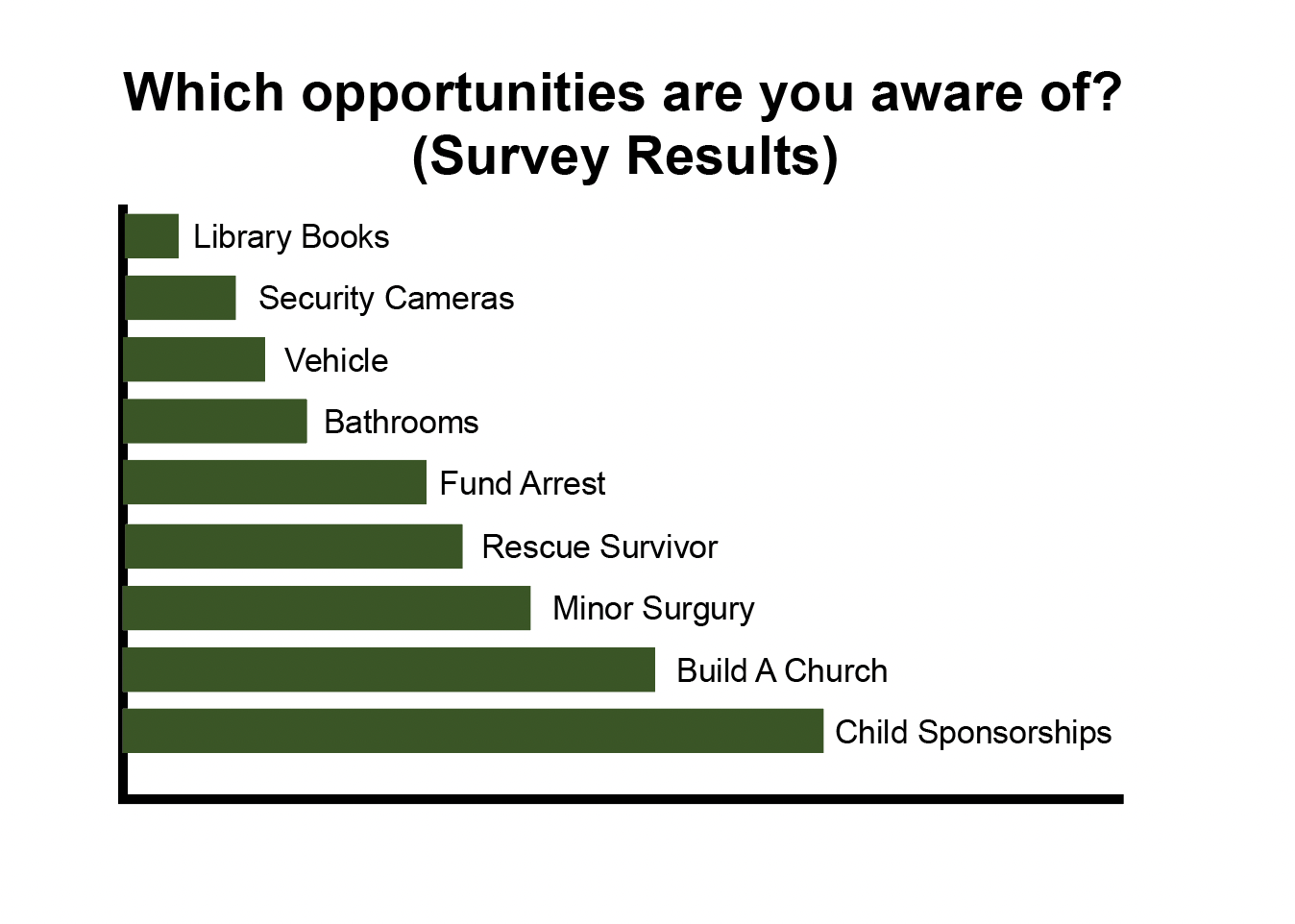
Hypothesized that donation opportunities were not adequately prominent.
Research
Conducted interviews with existing donors and first-time users to understand pain points and motivations.
Key findings:
Searchability: Users wanted content searchable by interest, urgency, and latest updates.
Dynamic Content: Real-time updates and relevant stories would make the portal more engaging.
Emotional Connection: Personal stories and community updates were most compelling for donors.
Proposed Solution
Metadata-Driven Recommendations:
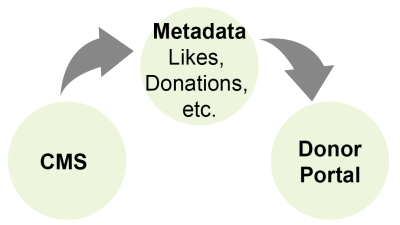
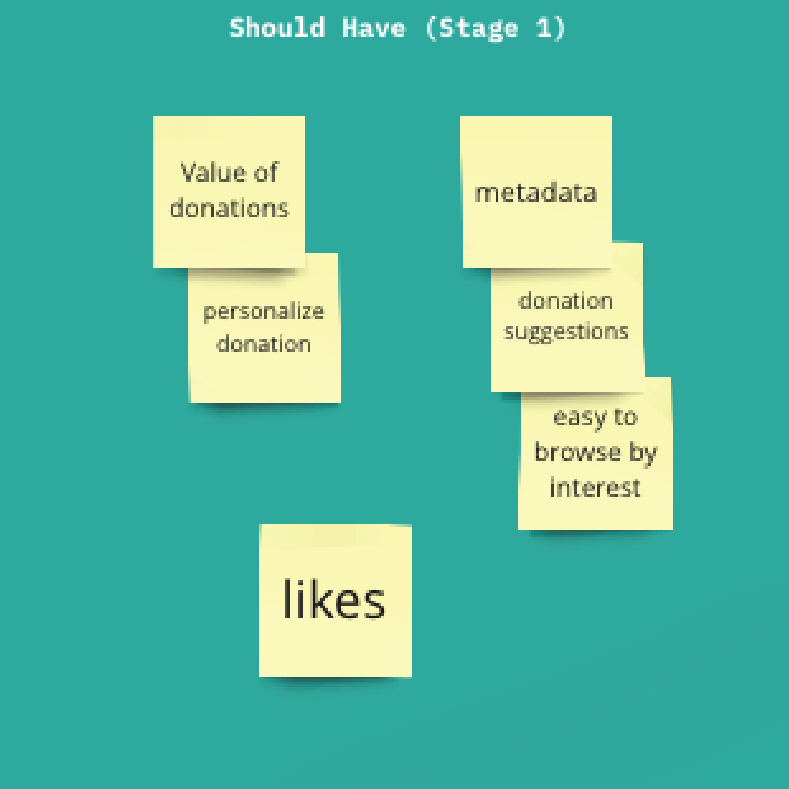
Implemented a CMS to organize and tag content with metadata like “interest,” “urgency,” and “recency.”
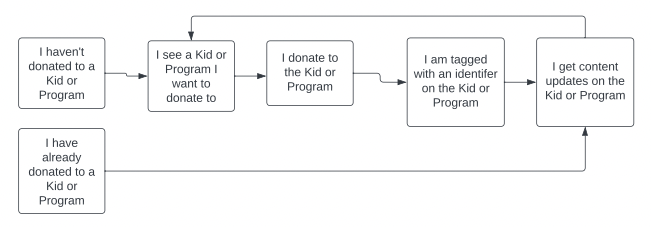
Added a “like” system to broaden recommendations beyond a user’s donation history.
MVP Definition:
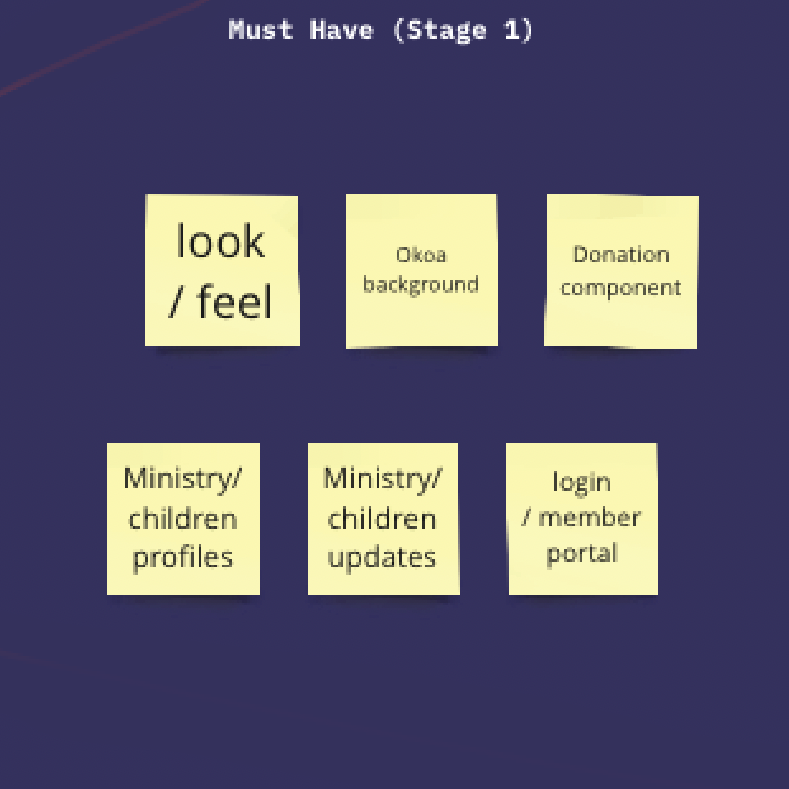
Prioritized a streamlined donor portal with essential features.
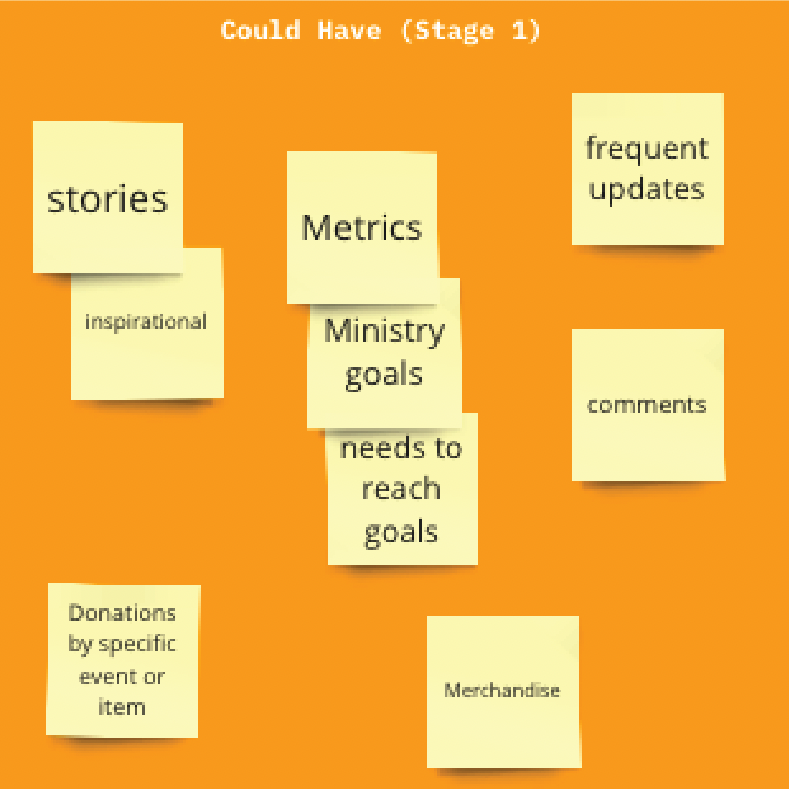
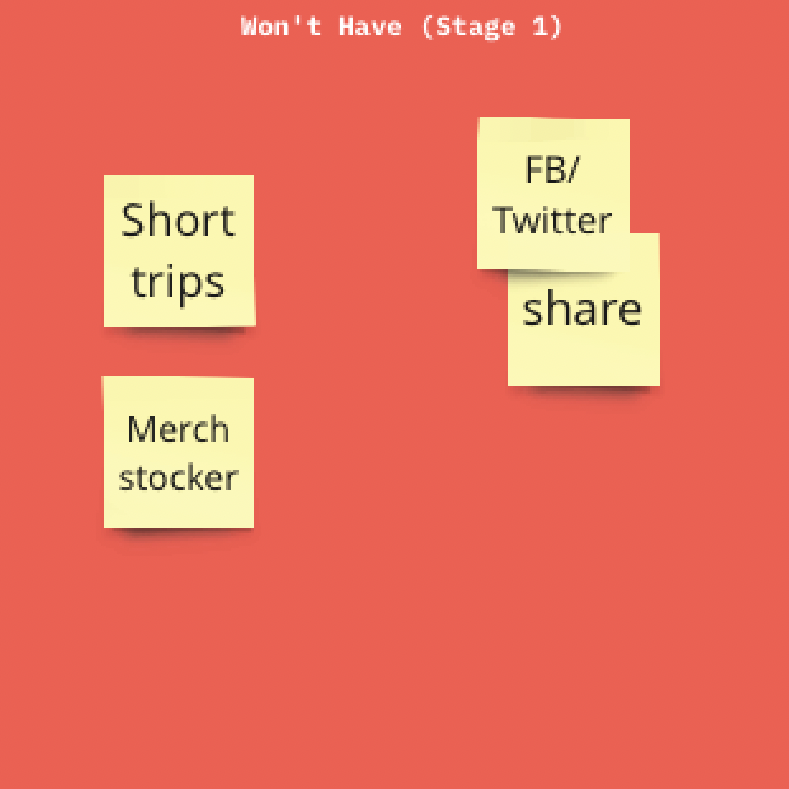
Designed for scalability, leaving advanced features for future phases.
Design
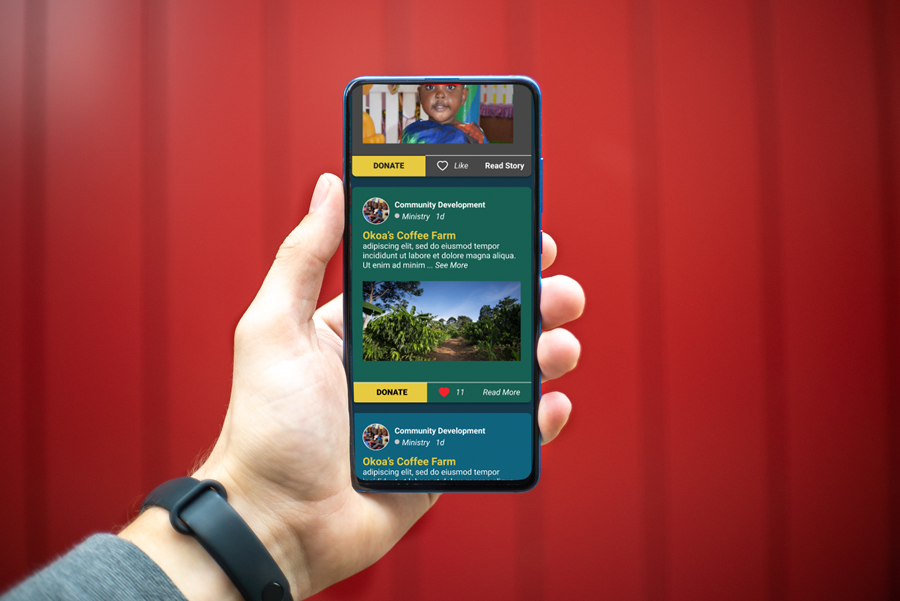
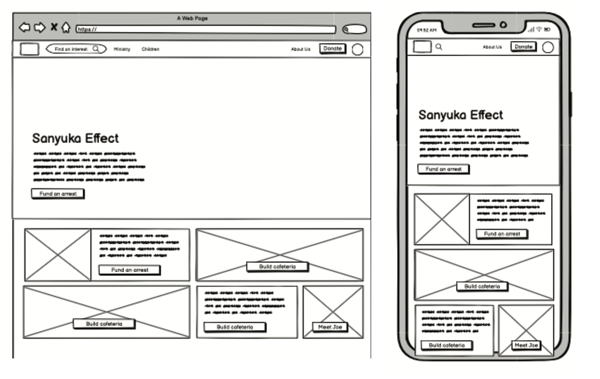
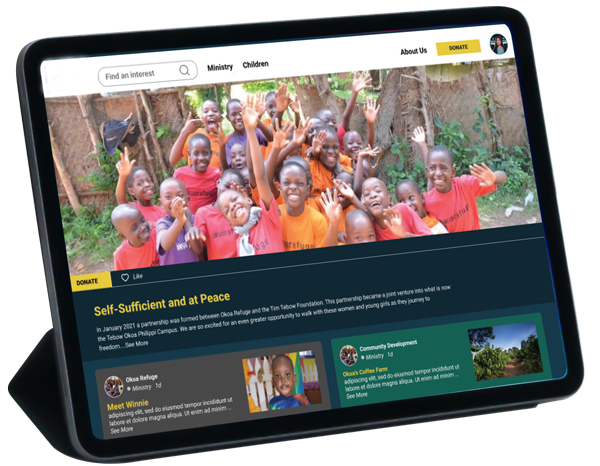
Developed a cohesive card system for storytelling, providing users with quick previews and direct access to content.
Introduced a fresh, inspirational color scheme, enabling visual categorization of content types (e.g., urgent needs, success stories).
Focused on accessibility to ensure the portal was intuitive for all users.
Proposed Outcomes (What success looks like)
40% increase in return visits within the first 6 weeks of the portal launch.
Donation requests saw a 60% uplift in clicks,validated through analytics.
85% of users rated the portal as “easy to use” in post-launch surveys.
Donations increased by 25% in the first quarter after launch, attributed to improved visibility and user engagement.
Conclusion
This project highlighted the impact of dynamic, user-focused content in boosting engagement and increasing donations.
By implementing a CMS with metadata tagging and designing a visually engaging, scalable donor portal, we laid the foundation for improved user satisfaction, higher return visits, and better donation visibility.
Additionally, we established a scalable process for future testing and optimization. However, due to budget constraints, the UX team was pulled off the project during development, which prevented us from fully testing all features or measuring the long-term impact of our design.
Despite this limitation, the groundwork we provided positioned the client for ongoing success.